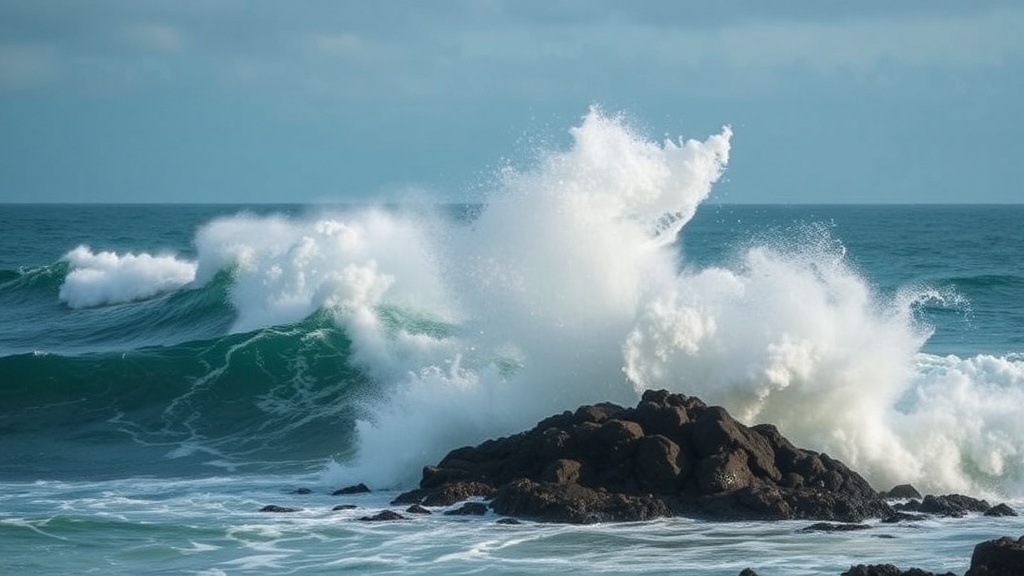
Best Spots to Watch the Atlantic Waves Crash

The High Cliffs of Tilting
Rocky Outcrops near Joe Batt's
The Sandy Shoreline at Lonetown
The Atlantic Ocean can produce rogue waves that exceed 30 meters in height during severe North Atlantic storms. This post identifies the best vantage points across Fogo Island and the surrounding Newfoundland coast to observe these powerful swells safely and clearly. Understanding where to stand—and more importantly, where not to stand—is the difference between a breathtaking view and a dangerous situation.
Where can I watch the waves safely?
The safest way to watch the waves is from elevated, rocky outcrops that are well away from the immediate spray zone and tidal lines. You shouldn't ever stand on low-lying sand or unprotected shorelines when the swell is high. On Fogo Island, the geology provides natural barriers, but you need to use them correctly.
The Lookout at Tilting: This is one of the most reliable spots. The elevation provides a clear line of sight over the jagged coast. It's perfect for watching the white water hit the rocks without feeling the spray on your face. (Pro tip: Bring a high-quality pair of binoculars like a pair of Nikon Monarchs to see the texture of the water up close.)
The High Ground near Joe Armitage Park: If you want a broader view of the ocean's movement, this area offers a wider perspective. The terrain is stable, and the distance from the water makes it much safer during high-wind events. It's a great spot for photography, too.
Rocky Cliffs of the North Side: The north side of the island faces the brunt of the Atlantic. The views are more dramatic here, but the wind can be intense. You'll want to stay on the established paths. If you're wearing something light, like a thin linen shirt, the wind will cut right through you—wear a heavy shell.
What gear do I need for coastal viewing?
You need weather-resistant clothing and high-grip footwear to enjoy the coast without getting soaked or slipping. The weather in Newfoundland changes in a heartbeat.
Don't underestimate the power of the wind. Even if the sun is out, the ocean breeze can be freezing. I always recommend a heavy layer, such as the Patagonia Torrentshell, to block the salt spray. Saltwater is incredibly corrosive and can ruin your electronics if you aren't careful.
- Footwear: Waterproof hiking boots with deep tread (like Merrell Moab models) are a must for the uneven rock surfaces.
- Eyewear: Polarized sunglasses help cut the glare off the water, making it easier to see the wave shapes.
- Protection: A sturdy tripod if you're taking photos, as the wind can be quite erratic.
Where are the best spots for photography?
The best photography spots are those with high contrast between the dark, jagged rocks and the white foam of the crashing waves. You want locations that offer a sense of scale and movement.
The Blowholes: There are specific areas along the coast where the pressure of the waves forces water through rock fissures. This creates spectacular vertical plumes of water. It's a high-action shot, but you have to keep your camera at a distance to avoid salt buildup on the lens. Check the Department of Fisheries and Oceans website for local tide and weather warnings before heading out to these areas.
The Foghorn Station Area: The geometry of the coast near the old light stations provides a great foreground for long-exposure shots. If you use a slow shutter speed, you can capture the "motion blur" of the waves, which looks much more ethereal. It's a great way to show the power of the Atlantic without it looking like a messy, frozen splash.
Sunset at the Edge of the World: As the sun goes down, the light hits the crests of the waves at an angle. This is when the water turns a deep, bruised purple. It's a spectacular sight, but visibility drops quickly. Don't be the person stuck walking back to the car in the dark because you were waiting for "just one more shot."
| Location Type | Best Time of Day | Difficulty Level | Best For |
|---|---|---|---|
| High Cliffs | Golden Hour | Moderate | Wide landscape shots |
| Blowholes | Mid-day | High | Action/Water splashes |
| Tidal Pools | Low Tide | Low | Macro/Texture shots |
| Sheltered Coves | Overcast | Low | Relaxed viewing |
If you find yourself caught in a sudden downpour while waiting for the perfect shot, you might want to head to one of the cozy coastal cafes nearby to dry off and warm up. It's much better than standing in the rain with a damp camera.
How much does it cost to visit these spots?
Most of these viewing spots are free to access, as they are part of the public coastline and natural landscape. However, there are hidden costs to consider when planning a trip to Fogo Island.
While the views themselves don't cost a dime, the logistics do. You'll likely be driving, so gas is an expense. If you're coming from the mainland, the ferry-to-island transit is a required cost. Always check the Government of Newfoundland and Labrador ferry schedules to ensure you aren't stranded. Missing a ferry can be a costly mistake for your itinerary.
Parking: Most of the major lookouts have small gravel pull-offs. They are free, but they fill up fast during peak summer months. If you're a photographer, get there early. If you're a casual observer, aim for mid-morning.
Food and Fuel: Unlike a city, you can't just grab a snack anywhere. Once you're out on the coast, you're on your own. I suggest packing a thermos of hot coffee and some hearty snacks. It's a small investment that makes the experience much more enjoyable.
The Atlantic isn't something you "conquer." It's something you respect. The waves are beautiful, but they are also incredibly heavy and fast. If you see the water starting to behave strangely—like a sudden recession of the tide—get to higher ground immediately. That's often a sign of an incoming surge. It's better to be safe and a little bored on a hill than to be caught in a surge on the rocks.
The sound of the ocean is constant, but the rhythm changes. On a calm day, the waves are a rhythmic lullaby. During a storm, they are a roar that you can feel in your chest. Whatever you choose to do, make sure you're prepared for the reality of the North Atlantic. It's a wild place, and it doesn't care about your camera settings or your travel plans.