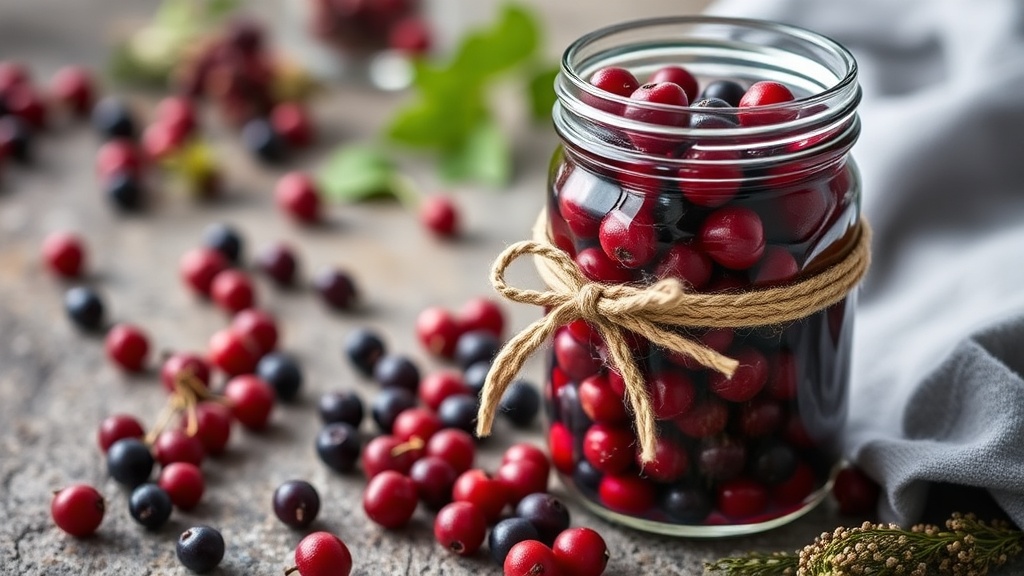
How to Preserve Fogo Island Partridgeberries the Traditional Way

This guide covers the time-honoured methods Fogo Island families have used for generations to preserve partridgeberries—ensuring you can enjoy the tart, vibrant flavour of our local harvest long after the short picking season ends. Whether you've gathered berries near Fogo Island Central Academy or along the trails near Shorefast Foundation properties, proper preservation lets you capture that distinctive island taste.
What's the Best Time to Pick Partridgeberries on Fogo Island?
Mid-September through early October marks the prime window. The berries ripen after the first frost—which hits our rocky shores earlier than most of mainland Newfoundland.
Seasoned pickers across our community know patience pays. Partridgeberries (Vaccinium vitis-idaea, if you're being technical) develop their characteristic snap and deep red colour only after cold nights. That said, waiting too long means competing with migratory birds and the inevitable late-season storms that sweep across the Labrador Current.
Local families often coordinate picking expeditions. You'll spot groups heading toward traditional spots—near the Brimstone Head trail network, around the ponds behind Tilting, or along the barrens between Joe Batt's Arm and Barr'd Islands. The catch? These aren't marked on any tourist map. Ask at the Fogo Island Inn community board—or better yet, strike up a conversation at the Fogo Island Co-operative store. Islanders love sharing knowledge with those who respect the land.
Bring proper containers. Ice cream pails work in a pinch, but experienced pickers prefer shallow cardboard boxes. They don't trap moisture, and berries stay intact. Don't overfill—crushed partridgeberries ferment quickly, ruining hours of careful hand-picking.
How Do You Clean and Prepare Fogo Island Partridgeberries for Preserving?
Rinse berries in cold water, remove stems and leaves by hand, then spread them on tea towels to dry completely before any preservation method.
Here's the thing about Fogo Island partridgeberries—they grow low to the ground among lichen and rocky soil. Cleaning isn't optional; it's tradition. Older folks in our community still use the "picking over" method: sitting at the kitchen table with a bowl, removing every stem, leaf, and unripe berry one by one. Tedious? Absolutely. Worth it? You bet.
Some shortcuts exist. A gentle pour of berries from one container to another—outdoors, with the wind at your back—blows away lightweight debris. The Fogo Island Public Library occasionally hosts workshops where elders demonstrate traditional cleaning techniques passed down through families.
Once cleaned, you must decide your preservation path. Each method suits different uses throughout the year:
| Method | Best For | Shelf Life | Equipment Needed |
|---|---|---|---|
| Freezing (dry pack) | Pies, muffins, sauces | 12 months | Freezer bags, cookie sheets |
| Sugar packing | Quick desserts, toppings | 6-8 months | Granulated sugar, containers |
| Traditional canning | Partridgeberry jam, preserves | 18+ months | Jars, lids, water bath canner |
| Drying (dehydrated) | Trail mix, baking additions | 12 months | Dehydrator or oven |
Worth noting: freezing preserves the berries' texture better than any other method. That snap when you bite into a frozen partridgeberry in January? It's like a tiny taste of our Fogo Island autumn.
What's the Traditional Fogo Island Method for Making Partridgeberry Jam?
The classic island recipe uses equal weights of berries and sugar, cooked low and slow with no added pectin—just patience and occasional stirring.
This isn't fancy jam. It's honest food. You won't find lemon juice or exotic spices in traditional Fogo Island pantries. The tartness of partridgeberries carries the whole show. Start with clean, stemmed berries in a heavy-bottomed pot. The catch? You need time—real time. Three to four hours of gentle simmering transforms the mixture from watery to glossy and thick.
Here's the method passed down through generations of Fogo Island families:
- Combine berries and sugar in a large, heavy pot. Let sit 30 minutes—this draws out juices.
- Heat slowly, stirring occasionally. Never rush the initial heating.
- Once bubbling, reduce to the lowest possible heat. A true simmer, not a boil.
- Stir every 15-20 minutes. Scrape the bottom—burnt partridgeberry jam ruins the whole batch.
- Test for doneness using the cold plate method: drop a spoonful on a chilled saucer. If it wrinkles when pushed, it's ready.
- Pack into sterilized jars, leaving 1/4 inch headspace. Seal and process in a boiling water bath for 10 minutes.
The Fogo Island Museum archives contain handwritten recipe cards from the 1950s showing nearly identical instructions. Some things don't need improvement.
How Much Does This Recipe Actually Yield?
Four cups of fresh berries (roughly one picking session for a focused forager) plus four cups sugar yields about five half-pint jars. That's enough to last a Fogo Island family through winter—partridgeberry jam on toast, stirred into yogurt, or dolloped alongside moose stew.
Can You Freeze Partridgeberries Without Cooking Them First?
Yes—freezing raw berries actually preserves more of their distinctive texture and bright acidity than cooked methods.
Flash-freezing is the professional approach. Spread cleaned, dried berries in a single layer on cookie sheets. Slide them into your freezer overnight. Once rock-solid, transfer to freezer bags, press out all air, and seal tight. This prevents berries from clumping into unmanageable blocks.
Label everything. You'll think you'll remember which bag holds 2024 berries versus 2023. You won't. Write "Fogo Island Partridgeberries - October 2024" clearly. Date matters—older berries get softer and work better for sauces than baking.
Properly frozen berries last a full year, though most island families don't let them sit that long. Our community has a rhythm: fresh partridgeberries in autumn, frozen through winter, and the last jars of jam consumed before the new picking season begins.
What About Drying Partridgeberries—Is That Still Done on Fogo Island?
Drying has made a modest comeback among gardeners and hikers, though it's less common than freezing or jam-making.
Dehydrated partridgeberries concentrate their tartness into something almost candy-like. The traditional approach involved stringing berries on thread and hanging them near wood stoves—practical in uninsulated homes, less so today. Modern Fogo Island kitchens use food dehydrators (the Excalibur 9-Tray model handles large batches well) or low oven settings.
Set dehydrators to 135°F and expect 12-16 hours. Ovens work at 170°F (lowest setting) with the door propped slightly open—8-10 hours, stirring every few hours. Finished berries should be leathery, not brittle. Store in airtight containers away from light.
Dried partridgeberries from our island terroir rehydrate beautifully in warm water. Add them to bread dough, sprinkle over salads, or simply snack on them during a hike up Brimstone Head.
Are There Any Local Fogo Island Businesses That Sell Preserved Partridgeberries?
Yes—several community enterprises offer jarred preserves when homemade supplies run low.
The Fogo Island Shop (affiliated with Shorefast Foundation) stocks artisanal partridgeberry products made by island residents. Prices reflect the labour-intensive hand-picking process, but quality is consistent. During tourist season, roadside stands appear near Joe Batt's Arm and Seldom—honour system coolers with handwritten price tags.
For serious quantities, the Fogo Island Farmers' Market convenes seasonally at the town hall. Vendors sell everything from plain frozen berries to elaborate preserves infused with local flavours. Arrive early—the best batches disappear before noon.
"We don't buy berries from away. If it didn't grow on Fogo Island rocks, it doesn't taste like home."
— Common sentiment at the Fogo Island Co-operative
Storage Tips Specific to Fogo Island Homes
Our island climate demands particular attention to storage. Basements stay cool but damp—fine for sealed jars, terrible for cardboard. Cellars (still common in older homes in Tilting and Island Harbour) maintain ideal conditions: cool, dark, and moderately humid.
Modern homes with consistent heating should store preserves in interior closets away from exterior walls. Freezer inventory benefits from quarterly checks—our winter storms occasionally cause brief outages, and you'll want to use partially-thawed berries promptly.
Inspect jars before opening. Any mould, fermentation bubbles, or off-odours mean composting the contents. Traditional methods are safe when followed precisely, but vigilance matters.
The community knowledge runs deep here. Your neighbour's grandmother probably has opinions on sugar ratios and cooking times. Listen to her. These techniques survived generations of Fogo Island winters because they work.
Steps
- 1
Time Your Harvest After the First Frost
- 2
Pick Berries from the Barrens and Berry Grounds
- 3
Wash, Sort, and Prepare for Preservation