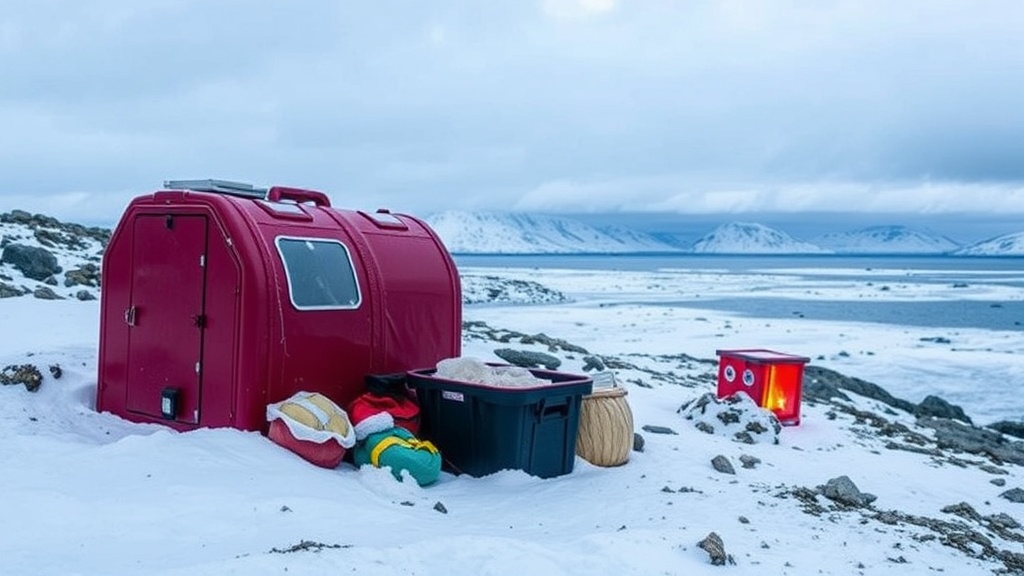
What Should You Keep in Your Winter Emergency Kit on Fogo Island?

You're halfway through January, the wind is howling off the Labrador Current, and the power flickers for the third time this week. On Fogo Island, we know winter isn't just a season—it's a force that demands respect. When the Fogo Island ferry gets delayed by ice or a nor'easter closes the roads, being prepared isn't optional. Here's what seasoned locals keep on hand when the Atlantic decides to test our resolve.
What's the Real Risk of Winter Storms Here?
Let's be honest—Fogo Island winters hit different. We're not talking about a light dusting and a few cancelled school buses. Out here, a proper storm can leave us isolated for days. The power infrastructure that serves our community runs along some of the most exposed coastline in Newfoundland. When the lines go down, Newfoundland Power crews work hard to reach us, but geography isn't on their side.
We've learned the hard way that preparation starts before the first flakes fall. Local families in Joe Batt's Arm, Tilting, and Seldom-Little Seldom all have their own systems—handed down through generations of fishermen who understood that the ocean doesn't care about your plans. That same practical mindset applies to winter readiness today.
What Belongs in Your Home Emergency Kit?
Every household on Fogo Island should have these basics within arm's reach when the weather turns:
- Water for at least three days—one gallon per person daily. Don't count on your well pump if the power goes. Fill bathtubs and buckets when a storm's brewing.
- Non-perishable food that doesn't need cooking. Canned goods, dried fruit, nuts, and yes—those hard tack biscuits your grandmother swore by.
- Battery-powered or hand-crank radio tuned to CBC Newfoundland and Labrador for storm updates and emergency broadcasts.
- Flashlights and extra batteries—headlamps are particularly useful when you need both hands free to tend a wood stove.
- First aid kit stocked with basics plus any prescription medications your family needs. The Fogo Island Pharmacy closes early when travel advisories kick in.
- Blankets and warm clothing—layers upon layers. Even with backup heat, bedrooms can get cold fast.
- Portable phone charger fully charged before the storm hits. Cell service can be spotty, but those batteries drain fast in cold weather.
Store everything in a waterproof container—maybe an old fish tote with a lid. Keep it somewhere accessible, not buried behind the snow shovels in the shed.
How Do You Stay Warm When the Power Fails?
Here's where living on Fogo Island gives us an advantage many modern communities have lost. Many of us still heat with wood, and that old Fisher stove in the living room isn't just for atmosphere—it's survival infrastructure.
If you've got a wood stove or fireplace, keep a dedicated supply of dry firewood inside your main living area before a storm. Running outside to the woodshed in blinding snow isn't pleasant. Stock up on kindling and keep your chimney clean—creosote buildup is a real hazard when you're burning around the clock.
No wood heat? You'll need backup plans. Propane heaters designed for indoor use can work, but ventilation matters. Never use outdoor heaters, barbecues, or generators inside—not even in the garage. Carbon monoxide doesn't give second chances.
Some families in our community have invested in small generators. If you go this route, get it serviced before winter. Test it monthly. Keep fresh fuel stabilized and stored safely. And know your limits—generators power essentials, not everything.
What About the Car—Should You Stock It Too?
Absolutely. On Fogo Island, your vehicle is your lifeline to medical appointments, groceries, and checking on elderly neighbours. A breakdown or getting stuck during a whiteout can turn dangerous quickly.
Your car kit should include:
- Blankets or sleeping bags—wool if you can get it, synthetic if you can't. Cotton kills when wet.
- High-energy snacks—chocolate, trail mix, protein bars. Something to keep your core temperature up.
- Water bottles—store them upside down so ice forms at the bottom, leaving the cap free.
- Candle and matches in a metal tin. One candle can raise the temperature inside a vehicle enough to prevent hypothermia.
- Shovel and bag of sand or cat litter for traction if you slide off the road near Shoal Bay or Stag Harbour.
- Jumper cables—cold weather kills batteries, and you might be the only vehicle passing by for hours.
- Tow rope and knowledge of where to attach it on your vehicle.
Keep your gas tank at least half full all winter. Condensation forms in empty tanks, and ice in your fuel line will strand you faster than a flat tire.
Who Checks on the Neighbours?
This might be the most important question of all. On Fogo Island, we look out for each other—it's not a program, it's just who we are. But winter makes those informal networks harder to maintain.
Make a mental list of the seniors on your road. The folks who live alone down past the turnoff. The family with the new baby who might not have their winter legs yet. Before a storm hits, check in. Do they have enough firewood? Medications? Someone to call if the power stays off too long?
The Town of Fogo Island maintains emergency contact lists, but they can't know everyone who might need help. That's our job as neighbours. Swap phone numbers with people on your route to work or church. Agree on a check-in system—maybe a wave from the window, maybe a daily phone call.
Community centres in Fogo and Joe Batt's Arm often open as warming stations during extended outages. Know where they are and how to reach them. The Fogo Island Inn keeps generators running—not for guests, but because they know their presence matters to the whole island.
What's Your Plan for Extended Outages?
Most winter storms blow through in a day. But every few years, Fogo Island gets hit with something bigger—a system that parks itself over the Labrador Sea and dumps snow for three days straight. That's when preparation separates the uncomfortable from the dangerous.
Talk through scenarios with your household before they happen. Where will everyone sleep if you have to consolidate heat into one room? Who's responsible for keeping the wood stove fed through the night? What's the plan for refrigerated medications if the outage stretches past 24 hours?
Some families keep a "go-bag" ready—not to evacuate (where would we go?), but to move quickly to a neighbour's house if their generator fails or their pipes freeze. Include copies of important documents, spare keys, a change of clothes, and anything you can't replace.
The sea ice, the wind, the isolation—these aren't threats to fear. They're the conditions that shaped our community into what it is. Generations of Fogo Island residents have faced harder winters with less technology and come through intact. We will too. But there's no virtue in being uncomfortable when a little preparation makes all the difference.
So check your batteries. Stack your wood. Fill your water jugs. And maybe bake an extra pan of date squares—because if the power does go out, you'll want something sweet to share with whoever drops by to make sure you're doing alright.