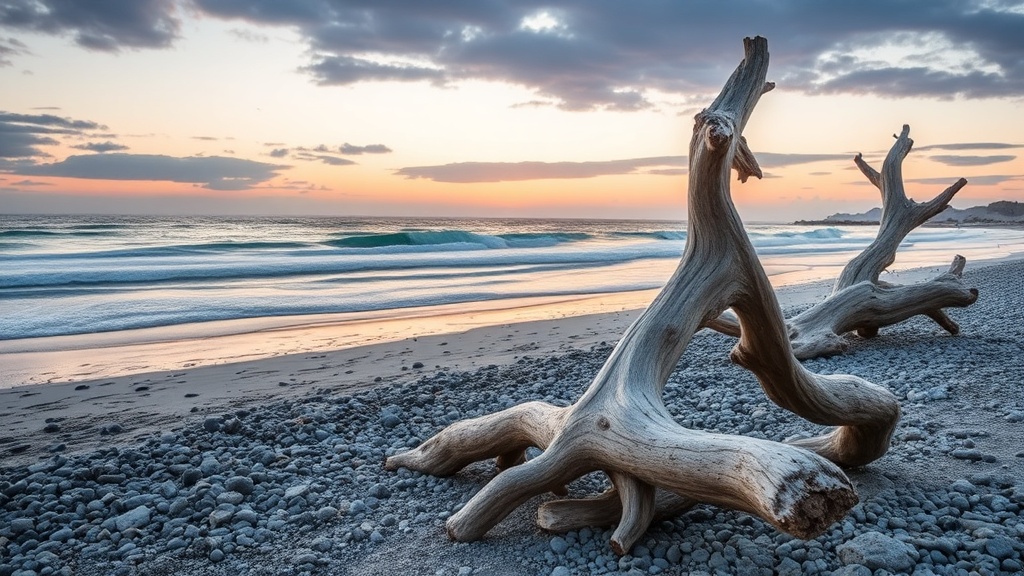
Finding the Perfect Driftwood for Your Seaside Garden

Over 80% of the wood found on our Atlantic shorelines has been weathered by salt and high-velocity winds before it even touches your garden. This post explains how to identify, collect, and treat driftwood for use in coastal landscaping and garden design. Using properly cured wood adds a natural, sculptural element to your outdoor space that store-bought timber simply can't replicate.
What Types of Wood Are Best for Coastal Gardens?
Hardwoods and dense softwoods that have been soaked in saltwater are the best choices for long-term outdoor use. You're looking for pieces that have already undergone the natural bleaching process from the sun and the Atlantic spray. This makes them more stable and resistant to the rapid rot often seen in untreated softwoods.
When you're walking the shoreline, look for wood with a high density. It's much more durable. If the wood feels light and brittle, it might crumble once you bring it home. You want pieces that feel heavy and solid—even if they're dry.
Common types of wood found around Newfoundland and the Maritimes include:
- Spruce: Often found in large, jagged pieces; very common in our region.
- Cedar: Naturally rot-resistant, though much harder to find in large "drifted" chunks.
- Birch: Usually smaller, more sculptural pieces that work well for smaller planters.
If you want to check the density and species of your find, the Wikipedia page on wood density provides a great technical baseline for what to look for. It's a bit nerdy, but it helps when you're trying to decide if a piece is worth the heavy lifting.
How Do You Prepare Driftwood for Outdoor Use?
You must thoroughly clean and dry the wood to remove salt, sand, and organic debris before placing it in your garden. If you skip this, the salt can actually damage your nearby plants, and the sand will make a mess of your garden beds. It's a common mistake.
First, grab a stiff brush. You'll want to scrub away any loose sand or dried seaweed. Don't use a pressure washer unless you're careful—high pressure can actually splinter the weathered fibers of the wood. A simple scrub with a stiff brush and a garden hose is usually plenty.
Next, let it dry. This is the part where people get impatient. You might want to use it immediately, but the wood needs to sit in a dry, shaded area for at least a week. This ensures that any moisture trapped in the grain evaporates.
The Preparation Process:
- Scrub: Use a stiff-bristled brush to remove salt and grit.
- Wash: Rinse with fresh water to neutralize salt levels.
- Dry: Let the piece sit in a dry area (out of direct sun) for 7–14 days.
- Seal (Optional): Apply a clear, matte exterior sealant if you want to prevent further graying.
Sometimes, I find that a simple application of a matte outdoor varnish helps the texture pop. It keeps that "silver" look without making it look plastic-y.
Is Driftwood Safe for Garden Plants?
Driftwood is safe for most garden plants as long as you have removed the salt and any lingering insect larvae. Salt is the biggest threat to your garden's pH and soil health. If you're planting something sensitive, like certain succulents or delicate perennials, you'll want to be extra diligent with the rinsing process.
I've seen people try to use large logs as "planters," which is a beautiful idea. But remember, the wood is still "active" in a sense. It can absorb nutrients from the soil. If the wood is too salty, it'll stunt your plant's growth.
For more technical info on how salt affects plant biology, the EPA resources on salinity can show you why it's so important to rinse your finds thoroughly. It's not just about the look; it's about the science of the soil.
If you're using the wood as a structural element—like a retaining wall or a garden border—you should be aware of how it interacts with the ground. Wood in direct contact with damp soil will eventually decay, even if it's been "ocean-cured."
| Use Case | Durability Expectation | Maintenance Level |
|---|---|---|
| Decorative Sculpture | High (Years) | Low (Occasional dusting) |
| Raised Planter Base | Medium (2-4 Seasons) | Medium (Monitor moisture) |
| Garden Border/Edging | Medium (3-5 Seasons) | High (Check for rot) |
Where Should You Look for the Best Pieces?
The best places to find driftwood are sheltered coves and areas where the tide deposits debris naturally after a storm. You aren't looking for a massive beach; you're looking for the "edges" where the water leaves its gifts behind.
Avoid areas with high human traffic if you want the truly unique, sculptural pieces. Most of the "pretty" wood gets picked up by tourists or photographers. The heavy, interesting pieces—the ones that could serve as a centerpiece for a garden—are usually tucked away in more rugged spots.
If you're out looking, keep an eye on the tide charts. It's much easier to find and collect wood when the tide is going out. You'll see the pieces that were recently uncovered. It's a great time to walk the shore, especially if you've already spent the morning at one of the best spots to watch the waves.
One thing to keep in mind: check local regulations. In many parts of Atlantic Canada, there are rules about removing natural objects from provincial or federal parks. Always make sure you're on private land or a public beach where scavenging is permitted.
The texture of the wood is what makes it special. It's not just a piece of wood; it's a piece of the Atlantic. Whether you're using it to frame a flower bed or as a centerpiece for a patio, that weathered grain tells a story.
Make sure your lifting technique is sound. These pieces can be deceptively heavy, especially if they've recently been pulled from the surf. Your back will thank you for being careful.
Steps
- 1
Scout the High Tide Line
- 2
Select and Collect
- 3
Clean and Sanitize
- 4
Arrange in Your Garden